Introducing Subnet Calc - A Subnet Manager designed for DevOps Teams
Why Inflecto Systems built Subnet Calc
Inflecto Systems has launched Subnet Calc, a visual subnet planning tool for engineers, consultants, DevOps teams, and small companies building cloud environments.
The product started as an internal tool. Our team was designing and managing networks that were becoming more complex, and the practical process around address allocation was not keeping up.
The calculator part was never the hard problem. There are plenty of ways to calculate a CIDR range, host count, or network boundary. The harder problem was coordinating the plan after the calculation: who had allocated which range, whether a proposed subnet overlapped another allocation, why a range had been reserved, and how the team could review a change before it became operational.
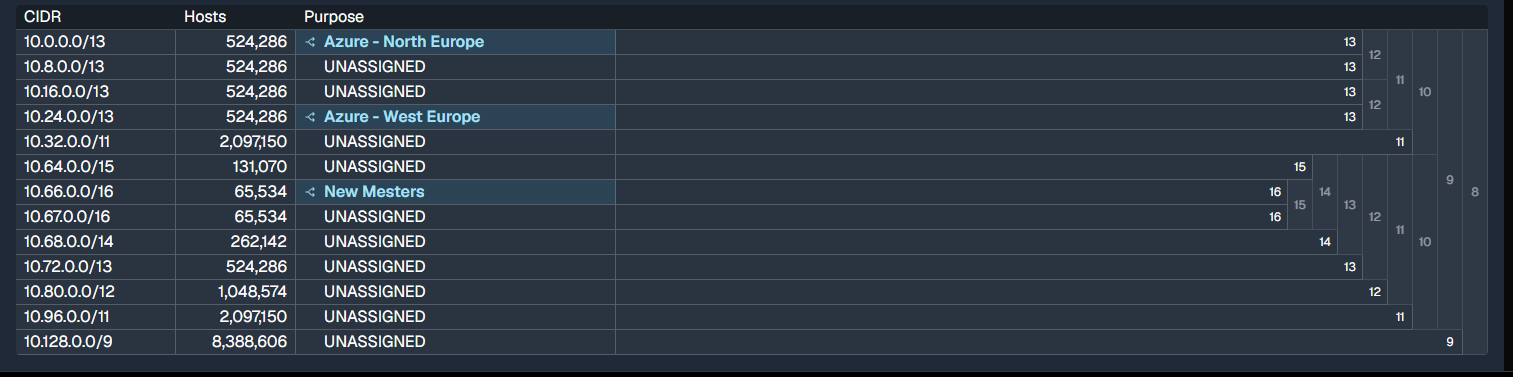
Subnet Calc - Visual Subnet Designer
The internal workflow that stopped scaling
Like many engineering teams, we used spreadsheets. They were easy to start, easy to share, and flexible enough to describe whichever addressing convention we needed at the time. We checked them into Git so there was some form of history.
That gave us a record, but not a good planning workflow.
Spreadsheet diffs are difficult to review. Transcription errors are easy to introduce. The shape of the address plan is hidden in rows, formulas, and naming conventions, so a reviewer has to reconstruct the hierarchy mentally before they can spot a mistake. Once several engineers need to work on the same plan, the risk changes from simple arithmetic errors to coordination problems.
We wanted a tool that treated subnet planning as a visual, versioned design activity rather than as a table of address ranges.
From internal utility to product
The first version of Subnet Calc was intended to solve our own immediate problem. As the workflow developed, it became clear that the same issue would be familiar to other small teams: platform engineers creating new cloud environments, consultants planning client networks, DevOps teams splitting address space across regions, and businesses that need more structure than a spreadsheet without adopting a complicated operational platform.
That is the gap Subnet Calc is designed to fill.
The free designer provides a visual way to create, split, join, and explore address allocations. It stores the last design locally in the browser, so an engineer can try the core workflow without creating an account.
Paid plans add the team workflow around the designer: cloud projects, persistent storage, project hierarchy, edit locks, change descriptions, version history, and diffs.
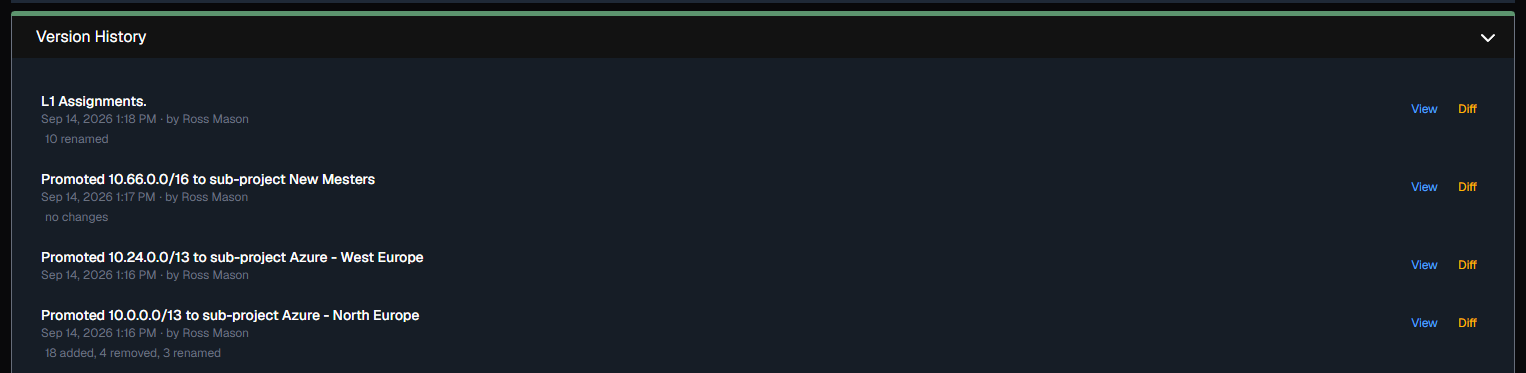
Subnet Calc - Version History
Projects mirror the way teams delegate work
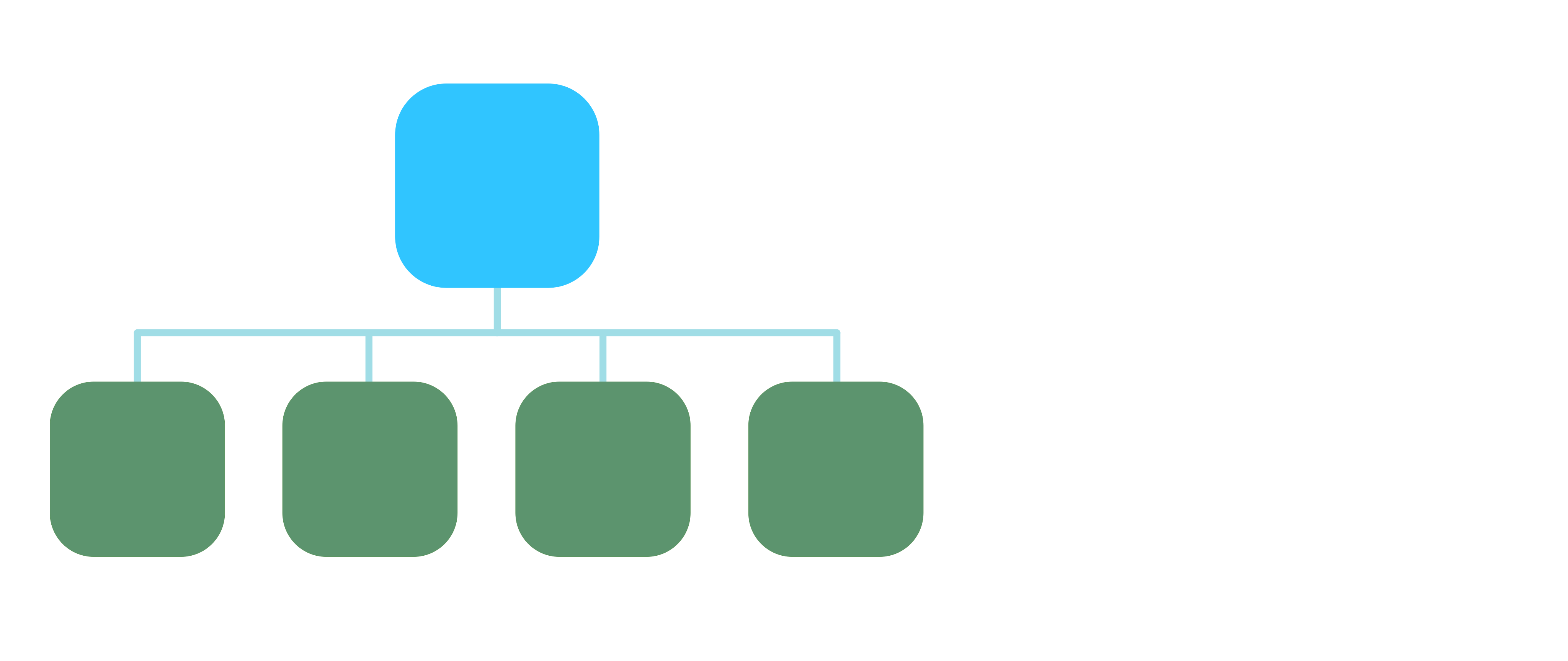
Subnet Calc projects are named, hierarchical workspaces for managing address plans. A parent project can contain the broader address design, while child projects let a team manage part of that design independently.
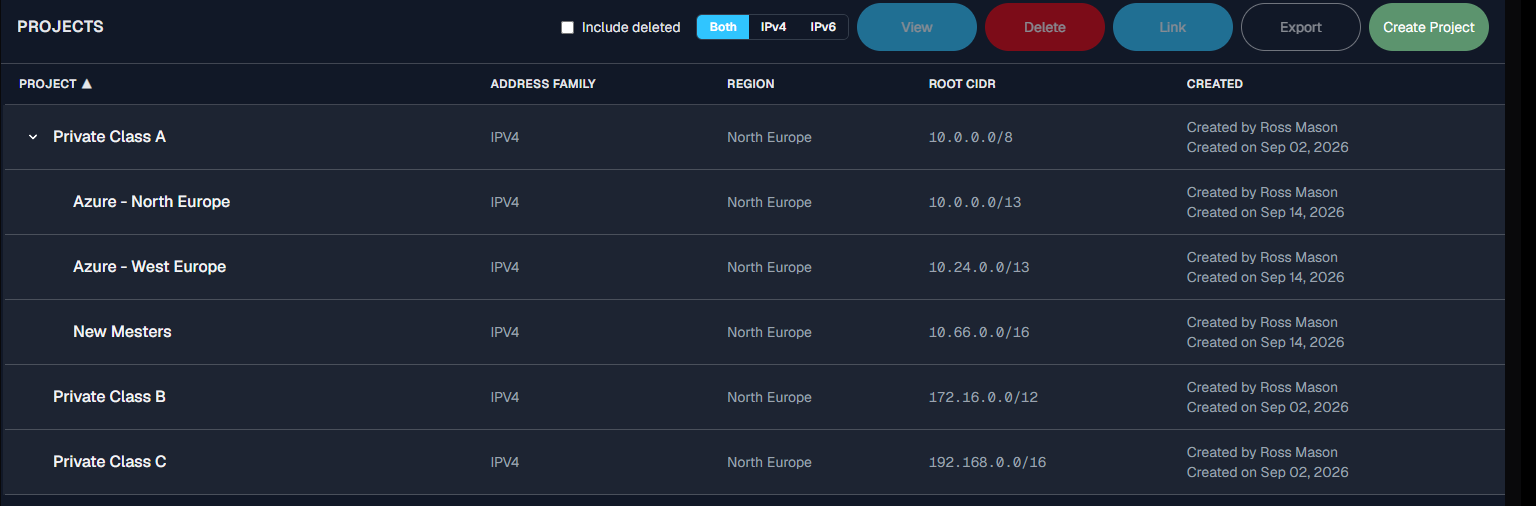
Subnet Calc - Subnet Project Hierarchy
A leaf subnet can be promoted into its own child project. That is useful when one part of the plan stops being a line in someone else's design and becomes a responsibility of its own: a production environment, a customer network, a regional deployment, or a platform team's shared-services range.
The child project remains connected to the parent hierarchy, but it can be managed with its own editing workflow. A project is locked by one user while changes are being made, so two people do not quietly overwrite each other's work. Changes can be saved with descriptions, and the project keeps version history so the team can see how the plan evolved.
Regional projects for distributed teams
Projects can also be hosted in a different region from their parent. That matters for teams that operate across geographic boundaries or delegate a child network to people working closer to another region.
For example, a platform team might keep the global address plan in its home region while a regional child project is managed closer to the team that owns that environment. The hierarchy still expresses the relationship between the allocations, but the operational location can reflect the team's needs.
This is deliberately more focused than a general-purpose network inventory. Subnet Calc is concerned with the plan, the hierarchy, and the review workflow around address allocations.
A lighter alternative to running a full IPAM
There are excellent IP address management systems available, including open-source platforms such as NetBox and Nautobot. For organisations that need a broad operational inventory — devices, racks, circuits, cables, IP addresses, and automation around all of them — those tools can be the right answer.
They are not always the right answer for a small team that needs to plan address space quickly and safely.
A full IPAM platform can introduce its own deployment, modelling, maintenance, and training burden. Teams often end up operating another system before they can answer the question they started with: how should we split this range, what does it affect, and who is changing it?
Subnet Calc is aimed at teams like ours: companies building cloud environments, running DevOps workflows, and managing infrastructure without wanting to operate a complicated IPAM platform just to coordinate subnet plans. It is intentionally lighter and easier to approach, with the visual designer at the centre and collaboration features added where they support the planning workflow.
Why spin it out from Inflecto?
Subnet Calc grew beyond the original internal requirement. It has its own audience, pricing, roadmap, support needs, and product identity. Running it as a separate product makes that clearer for customers while allowing Inflecto Systems to continue developing and operating the service.
The relationship is deliberate. Inflecto brings the software delivery, cloud, and operational experience that shaped the tool; Subnet Calc gives the workflow a focused home and a public product surface.
It also lets us keep the tool accessible. Individual engineers can use the visual designer immediately, while teams that need persistence and collaboration can adopt the paid features without buying a broader enterprise platform.
Early-adopter lifetime offer
For early adopters, Subnet Calc currently has a limited Founding Member Lifetime Offer. The Individual Lifetime plan is listed at $59.99 as a one-time payment for a single user and up to five projects, with lifetime access while spots remain.
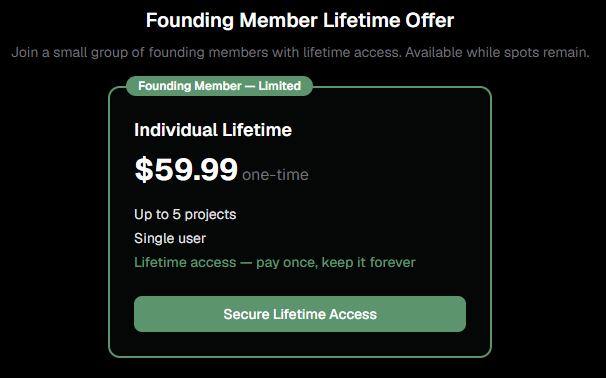
Subnet Calc - Founder Member Offer
Recurring plans are also available for individuals and teams that need more projects or additional team members. The current plan details should always be checked on the pricing page, as availability and package limits can change.
What happens next
The first public version is intentionally focused. We want feedback from teams that manage subnet hierarchies, prevent overlapping allocations, and coordinate changes across multiple engineers.
We are particularly interested in export and integration formats. CSV and JSON are obvious candidates; Terraform-oriented outputs are another possibility. The right answer depends on how teams connect planning to the systems that implement and document their networks.
If that sounds familiar, try Subnet Calc and tell us where the workflow helps, where it gets in the way, and what you would need before trusting it with your team's address plan.